Premier League: a first-timer's primer before you plan a matchday
The richest, most-watched league in the world, and one of the hardest to get into. The famous grounds, the matchday rules that catch visitors out, the underrated stops, and how tickets really work, all before you pick a specific game.
By Carlos O. · Last updated 22 Jul 2026
The Premier League is the most-watched football league on earth, and for a travelling fan it is both the obvious one to want to tick off and one of the trickiest to actually pull off. The football is relentless, the grounds are full and often loud, and the away support is a culture in itself. The catch is that England's big clubs have some of the most closed ticketing in world football, and a matchday comes with a set of local rules and habits that surprise a lot of first-time visitors. This primer is the lay of the land before you commit to a particular club or date; when you are ready to go deep on one, each of the grounds below has its own full guide.
Famous grounds to see
The eight English clubs we cover in depth span the range of what the league offers, from cathedrals of atmosphere to gleaming new-money arenas.
- Anfield is the one most neutrals put first, for the pre-match "You'll Never Walk Alone" and the Kop on a European night, though the ticketing is among the hardest in the country.
- Old Trafford, the Theatre of Dreams, is the biggest club ground in England, carrying a giant global fanbase through a turbulent era.
- St James' Park sits right in the middle of Newcastle and, on its day, is as loud and intimidating an atmosphere as the league has.
- Villa Park and its Holte End are a grand old-fashioned English ground carrying a reawakened giant.
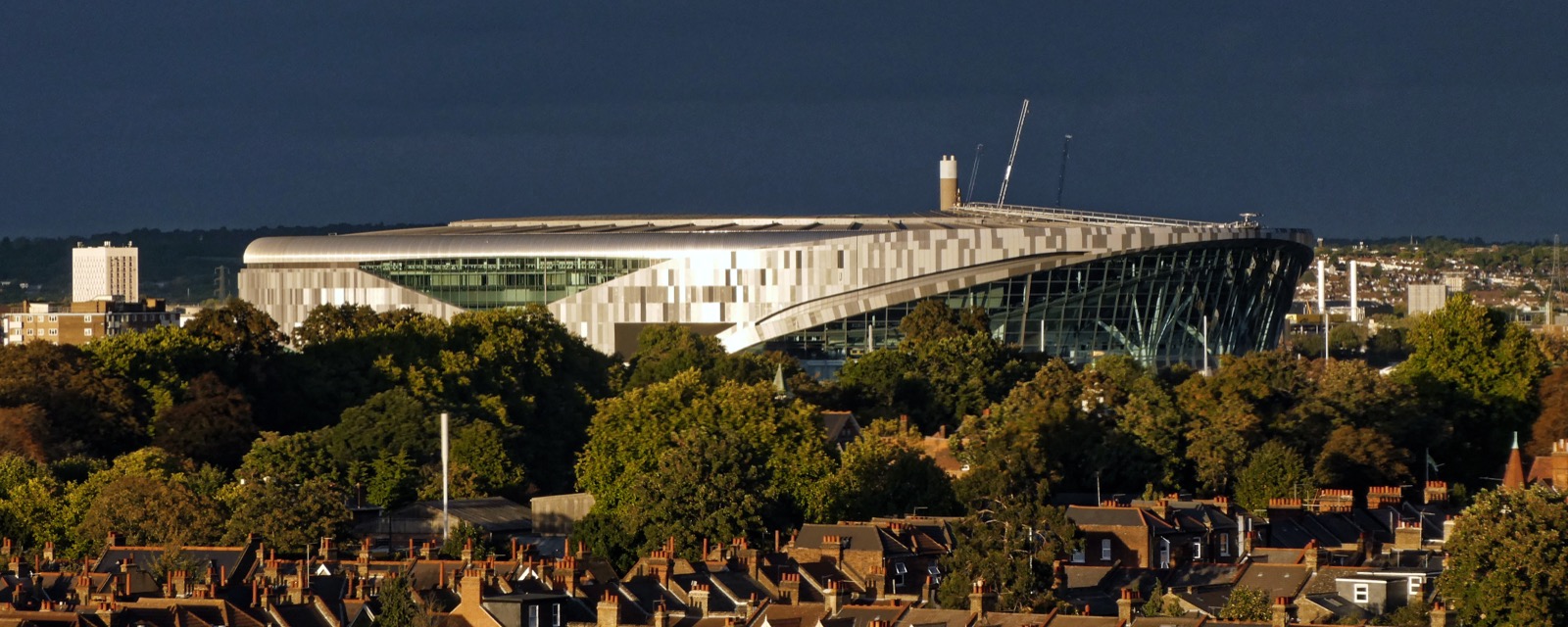
- The Tottenham Hotspur Stadium is the most spectacular new build in the country, a destination in its own right.
- The Emirates, Stamford Bridge and the Etihad complete the set: two big London clubs behind membership walls, and a Manchester City whose long grip on the title has given way, to Liverpool and then champions Arsenal, but whose league tickets remain unusually gettable.
Matchday culture to know
A few things about an English matchday routinely trip up visitors, and they are worth knowing before you go.
Grounds are all-seater, but standing is creeping back. After the Hillsborough disaster of 1989 and the Taylor Report that followed, the top two divisions were made all-seater, which is why English grounds do not have the open terraces you find in Germany. Since 2022, though, licensed safe-standing with rail seating has returned at several grounds, so you will now see designated standing sections again at clubs like Manchester City, Tottenham, Chelsea and others.
You cannot drink in your seat. A quirk of English law bans alcohol in view of the pitch, so you drink in the concourse behind the stand before the game and at half time, not while watching. This baffles first-timers used to a beer in hand at the game; plan your pints around the concourse, not your seat.
The 3pm Saturday blackout. Games kicking off at 3pm on a Saturday are not shown live on television in the UK, a long-standing rule meant to protect attendance at lower-league grounds. Kickoffs are otherwise spread across the weekend and Monday for broadcast, so always check the actual time and date, which can move for TV at fairly short notice. The league does publish the dates on which it confirms each batch of kickoffs, and those times land roughly four to seven weeks ahead of the round, so a game you are eyeing next spring has no real kickoff time yet.
Away fans are segregated, and the atmosphere is fixture-dependent. Visiting supporters get a fenced-off section, usually a corner or an end, with their own turnstiles. The home atmosphere varies more than the league's global image suggests: a derby or a European night can be ferocious, while a routine game against weak opposition, in a ground diluted by tourists and corporate seats, can be surprisingly flat. Aim for a big fixture if noise is what you want.
On its best days, that atmosphere is the whole reason to make the trip, like a full Anfield before kickoff:
Underrated grounds and derbies
The eight we cover are the giants, but some of the best days out in England are at clubs you will not have travelled specifically to see.
- Crystal Palace at Selhurst Park is widely reckoned to have one of the best atmospheres in London, driven by the ultra-style Holmesdale Fanatics, at a proper old ground in the south London suburbs.
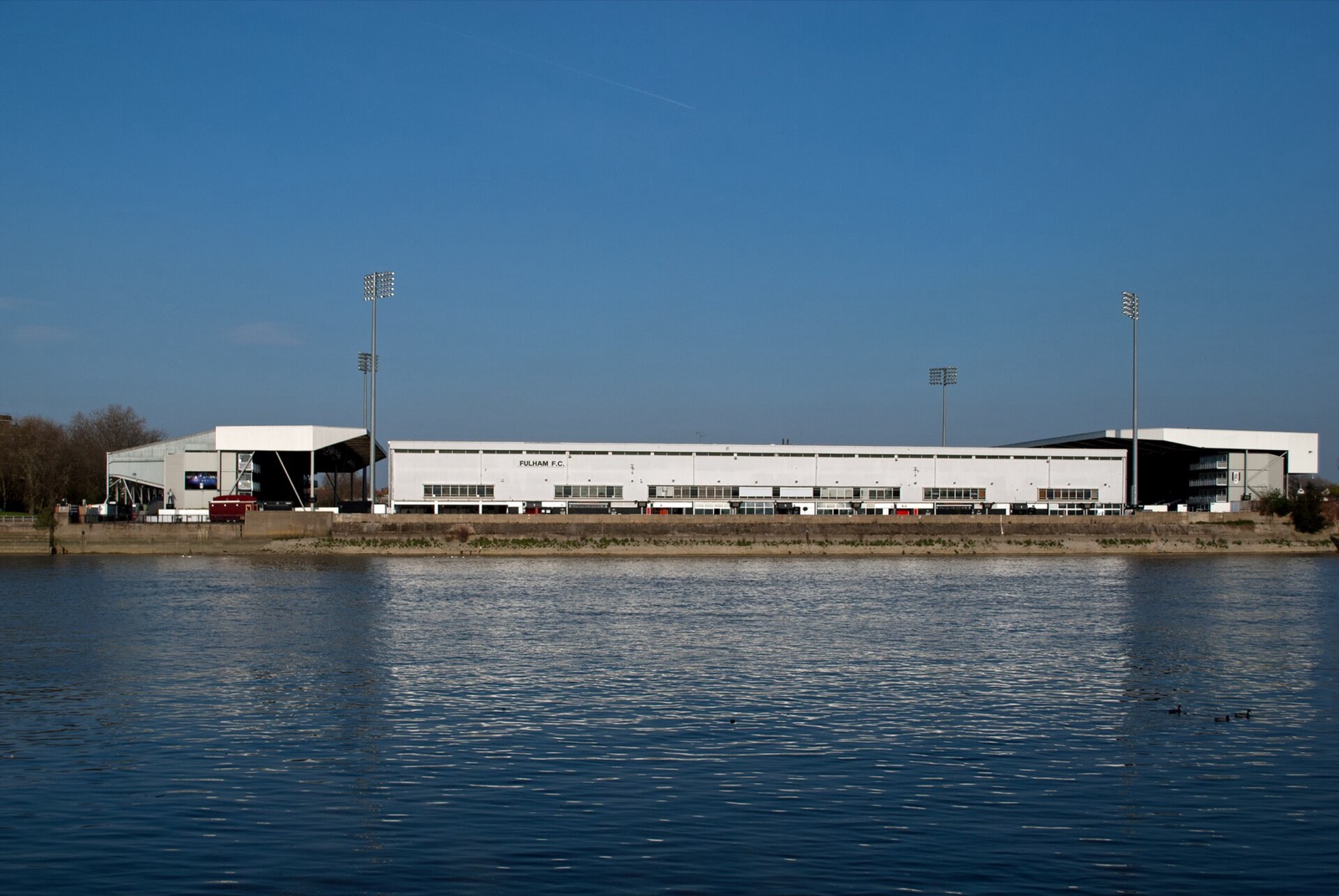
- Fulham's Craven Cottage sits right on the Thames, a charming, old-fashioned ground with a brand-new riverside stand, and one of the most pleasant matchday walks in the capital.
- Nottingham Forest's City Ground, on the banks of the Trent, is a two-time European champion's home with a real sense of history and a passionate local support.
- Everton are worth watching closely: after more than a century at the beloved, crumbling Goodison Park, they have moved to a striking new stadium on the Liverpool waterfront at Bramley-Moore Dock, the Hill Dickinson Stadium, one of the more interesting new grounds in the league.
For derbies beyond the ones inside our covered clubs, the Merseyside derby between Liverpool and Everton is one of the most passionate in the country, the Tyne-Wear derby between Newcastle and Sunderland is a fierce north-eastern rivalry when the fixtures align, and the M23 derby between Crystal Palace and Brighton has become one of the angrier ones in the south. The two Manchester clubs and the two big North London clubs, all in our guides, contest the marquee derbies at the top of the game.
Ticket trends
This is where England is genuinely hard, and where the planning matters most.
Most big clubs are membership-gated. At Arsenal, Chelsea, Tottenham, Liverpool, Manchester United and more, you generally cannot simply buy a Premier League ticket. You need a paid club membership even to be eligible, and for the biggest games a membership only enters you into a ballot rather than guaranteeing a seat. Season-ticket holders take up most of the ground, and general sale, when it happens at all, is a small, fast-selling remainder. The honest exception is Manchester City, where a cheaper matchday membership genuinely does get you into ordinary league games, and several mid-table clubs are far more accessible than the traditional giants. The gap between a famous name and a gettable one is the thing to weigh before you book, so read a club's real ticket difficulty rather than its reputation.
Resale is criminal, and official exchanges are the safe route. Reselling a football ticket for profit without the club's authorisation is a criminal offence in England, tickets are named and increasingly digital, and clubs will void a ticket they identify as touted, so a purchase from a stranger or a third-party resale site is a real risk of being turned away at the gate. The safe secondary route is a club's own official Ticket Exchange, where members resell unused seats at face value. For a guaranteed seat, official hospitality works, at a premium.
A couple of quirks in the visitor's favour. Away tickets are capped at thirty pounds by a league-wide agreement, so the cheapest way into a big away ground is sometimes to follow the visiting team. And a few clubs ring-fence tickets for local residents by postcode, which a tourist cannot access but which explains why the general allocation is so thin. Overall, English prices are among the highest in world football, and the realistic advice for most big clubs is to sort a membership weeks in advance or aim at a more accessible fixture.
The bottom line
The Premier League delivers on its reputation for a visiting fan, but it rewards planning more than almost any league in the world. Decide early whether you are chasing a specific club or just a great day out; if it is the latter, a mid-table or a more open club can give you a louder, cheaper, easier matchday than a famous name behind a membership wall. When you have a club in mind, dig into its full guide for the getting-there, the away end, the pubs and the honest ticket reality, and build the trip around a fixture you can actually get into.
Ready to go to a Premier League game?
Pick a club above for its upcoming home fixtures and the honest ticket reality, then build the trip around a date you can actually get into.
Wondering why far-future dates show as TBC? When Premier League confirms its kickoff times →