La Liga: a first-timer's primer before you plan a matchday
Two global superclubs, a fierce third, and a set of provincial grounds that are louder than any of them. The famous stadiums, the socios system, the underrated cauldrons, and how tickets really work in Spain.
By Carlos O. · Last updated 23 Jul 2026
Spanish football splits into two experiences. There are the global superclubs, Real Madrid and Barcelona, whose vast rebuilt stadiums are dazzling but, on a routine night, quiet and tourist-heavy. And there is the other La Liga, the provincial grounds and the fierce third giant, where the noise and the passion actually live. Knowing which one you are buying into is the whole trick, and so is understanding the socios membership system that gates the biggest tickets. This primer is the overview; when you pick a club, each ground below has its own full guide.
Famous grounds to see
The three Spanish giants we cover in depth are a study in contrasts.
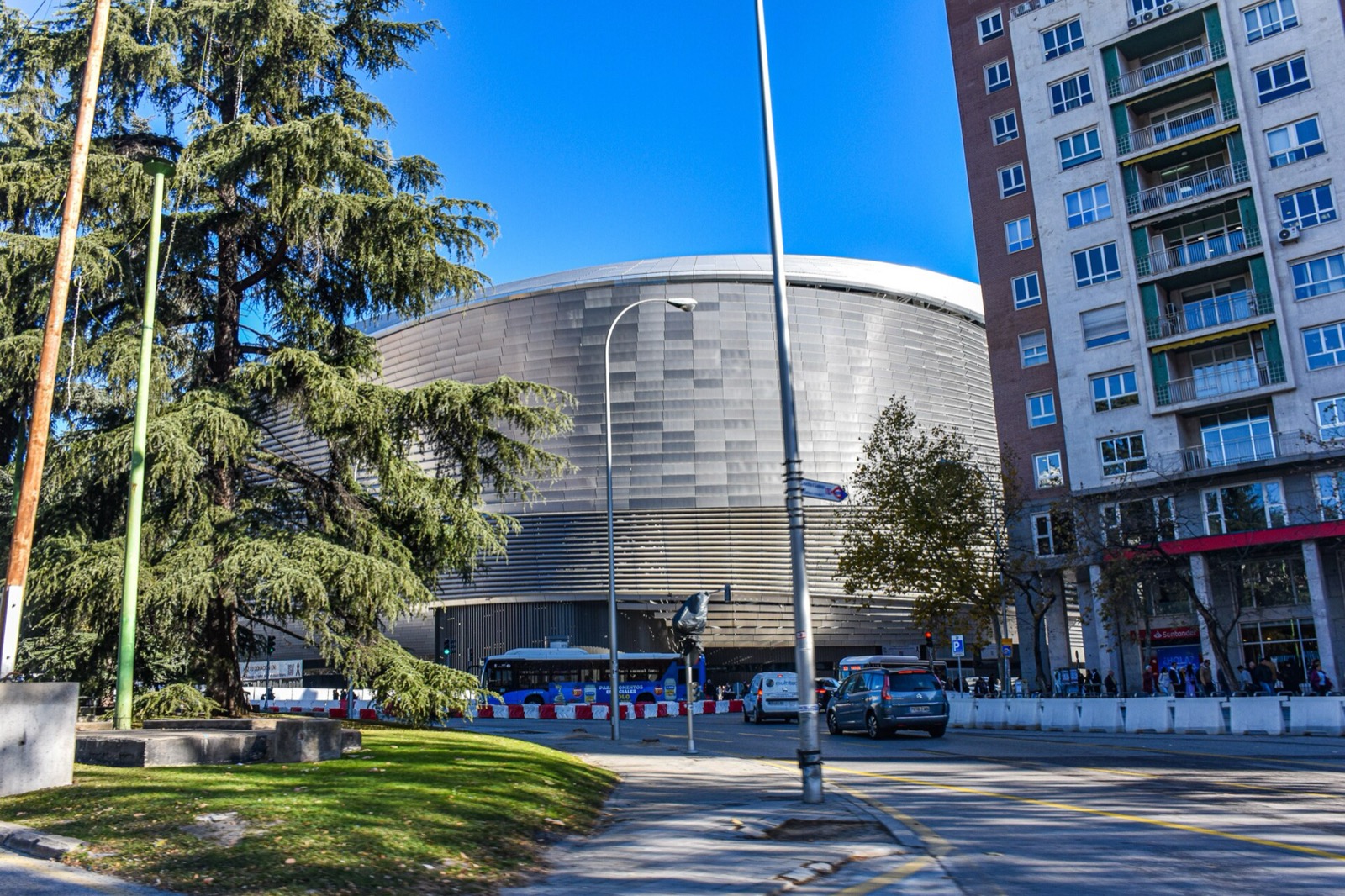
- Real Madrid play at the Santiago Bernabéu, a futuristic rebuilt arena with a retractable roof and pitch, magnificent to see and, for a normal league game, more museum than cauldron.
- Barcelona are returning to a redeveloped Camp Nou, set to be the largest club stadium in Europe once the rebuild is finished, though it is operating at a reduced capacity mid-construction for now, carrying the weight of Catalan identity as much as football.
- Atlético Madrid are the honest antidote: their Metropolitano holds the fiercest home end in the Spanish capital, and Atleti are one of the more gettable and more atmospheric big-club tickets in the country.
This is the himno ringing round the Metropolitano before a big night:
Matchday culture to know
A few things surprise first-time visitors to a Spanish ground.
The superclubs are quiet, and that is not a myth. Real Madrid and Barcelona both dismantled their organised ultra groups years ago, and their huge crowds are heavy with tourists and members who come to admire rather than to sing. On a routine LaLiga night the Bernabéu and Camp Nou can be near-silent for long stretches; the exceptions are the Clásico and the Champions League knockouts. Atlético, who kept a fiercer culture, are the loud one of the big three.
Kickoffs are late, and scattered. Games are spread across the weekend for television and often kick off at 9 or 10pm local time, especially in the heat, so check the actual time before you book anything around it. LaLiga sets those slots a round or two at a time, so anything more than three or four weeks out is still unset, and a game you have pencilled in for the Saturday can land on the Sunday night.
Membership runs everything. The big clubs are owned by their socios, the members, and it is the members who get first access to tickets, with general sale a small, late remainder. This is the key to the ticketing, below.
Underrated grounds and derbies
The three we cover are the giants, but the best atmospheres in Spain are often in the provinces.
- Athletic Bilbao's San Mamés is the cathedral: a fervent, sold-out Basque ground for a club that famously fields only Basque players, and one of the great football experiences in Europe.
- Real Betis's Benito Villamarín in Seville and Sevilla's Ramón Sánchez-Pizjuán are two of the loudest grounds on the continent on a big night, and their Derbi Sevillano is ferocious. A round spread from Friday to Monday means a weekend in Seville can sometimes take in both, which is the argument for basing yourself in one Spanish city instead of chasing a single match.
- Valencia's Mestalla is a steep, old, intimidating bowl, and Real Sociedad's Reale Arena completes the Basque picture.
For derbies, El Clásico between our own Barcelona and Real Madrid is the biggest club game on earth; the Derbi Madrileño, Real against Atlético, is bitter and frequent; the Derbi Sevillano and the Basque derby between Athletic and Real Sociedad carry deep regional weight.
Ticket trends
The Spanish giants are genuinely hard; the rest of the league is far more open.
Socios first, general sale last. At Real Madrid and Barcelona, members and their cards get the tickets, then paid supporter tiers, then a small general-sale remainder released just days before an ordinary game. Becoming a full socio is closed to outsiders, but a paid fan card can buy priority if you plan far ahead.
The Clásico is effectively impossible at face value, and resale for the big games runs at multiples of face with a real trade in fake and duplicated tickets, so treat any third-party site as a place you might pay a fortune to be turned away. Official VIP and hospitality channels are the reliable, costly way around the member queue. A Clásico is the clearest case of a ticket you buy first and build the trip around, rather than booking the flights and hoping.
Atlético and the provincial clubs are easier. Atlético sell ordinary league games directly, often around thirty euros, and clubs like Betis, Sevilla, Valencia and the rest are far more accessible than the big two, which is worth remembering if you want a louder, cheaper day out.
The bottom line
If you want the spectacle of a superclub stadium, go, but pick a Clásico or a Champions League night and adjust your expectations for a routine game. If you want the real noise of Spanish football, the smarter play is Atlético, or a trip to San Mamés or Seville, where the grounds are full, fierce and gettable. When you settle on a club, its full guide has the getting-there, the atmosphere end, and the honest ticket route.
Ready to go to a La Liga game?
Pick a club above for its upcoming home fixtures and the honest ticket reality, then build the trip around a date you can actually get into.
Wondering why far-future dates show as TBC? When La Liga confirms its kickoff times →